Culling Game Thoughts (Spoiler Review)
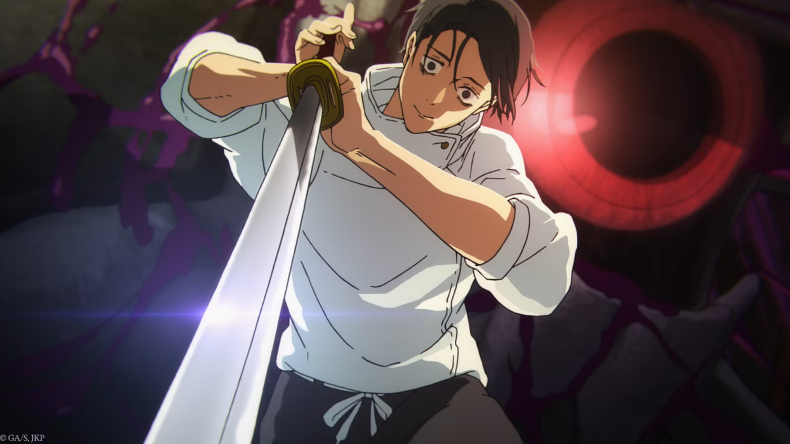
Major spoilers ahead.
My favourite arc in Jujutsu Kaisen – the record-breaking manga series by Gege Akutami – is Gojo’s Past (Hidden Inventory in the anime). I think it’s perfect. We get the reveal that the pretty, scarred villain that terrorises the cast in JJK 0 and ominously slinks in the shadows with the disaster curses all throughout season one was once a decent human being, a normal teenager with strong morals and a drive to protect the weak. It was Gojo, his best friend, that was the opposite, but after a multitude of tragedies, Suguru Geto turns to the dark side. It’s not a sudden, predictable snap. It doesn’t happen in a single moment. Through thirteen chapters, we witness the slow, painful unravelling of an admirable character, and his descent into isolation and ideological loneliness.
Gojo’s Past reconceptualises the characters we know and love – or at least, the characters we thought we knew. It adds depth to Gojo: beneath the blasé, all powerful sorcerer is a deep pain, an understanding that his great feats mean nothing because he couldn’t save his “one and only”. It lays the foundation for the acclaimed Shibuya Incident arc, where everything goes wrong, where we discover that the person who looks like Geto is actually an ancient sorcerer who has possessed his dead body in order to use his cursed technique. This reanimated body is the villains’ trump card to capture and seal Gojo, thus hurling the jujutsu world into chaos. Everyone’s actions in this arc holds a deep meaning: Nanami, Shoko, Yaga, Yuki, Geto’s adoptive daughters, and Toji, all have key moments in the affray at Shibuya that can be directly linked to Gojo’s Past. Many fans cite the bloodbath, the deaths, and the fights, when praising the Shibuya Incident, but the character interactions, bolstered by the groundwork of Gojo’s Past, is what enriches Shibuya for me.
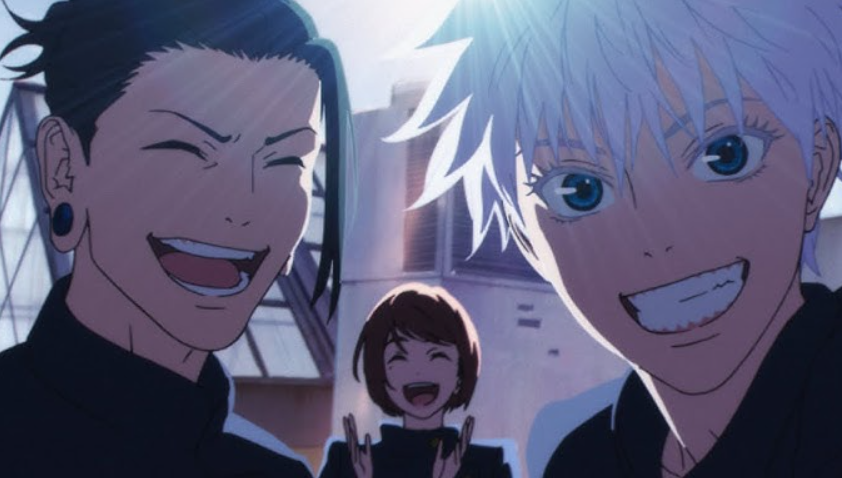
A real Shakespearean tragedy.
And that’s why I think the Culling Game is inferior.
At the end of Shibuya, Gojo is branded a fugitive and is excommunicated from jujutsu society. Yuji’s execution is back on. Yaga is sentenced to death. The “higher ups” enter the story through walls of summative text and this is their verdict on the disasters that befell Shibuya. It’s lacklustre and misdirected and pointless, but expected of the higher ups, who are often spoken about derogatorily by the other characters. Up till this point, we have no clear understanding of who these higher ups are, other than that they “control” Japan – but is that literal, or in a “the Pope is evil” kind of way? We don’t get any specific names. We don’t know where they’re all located. We don’t know who’s involved: are they only comprised of senior members of the three families? Admin faculty at the Tokyo and Kyoto schools? Some other shadowy network descended from the three great spirits? These higher ups can call executions, excommunicate the literal godly creature that is Satoru Gojo, establish the rules of jujutsu society, and all we see of them is a series of glowing windows. Their targets (Gojo, Yaga, and Yuji) in the wake of Shibuya raises some questions, like:
Why not sanction Kenjaku? Were some of them helping him in Shibuya? How can a 1000-year-old, body-hopping sorcerer consistently attempt this grand masterplan of a death game without any intervention from these higher ups? At the start of the Culling Game, Tengen tells us that Kenjaku got his hands on the prison realm “six years ago” but it’s not confirmed how. Was a higher up trying to source it for him? It’s all very vague, but it’s exciting considering the possibilities. It sets the stage for several explosive reveals about the jujutsu world.
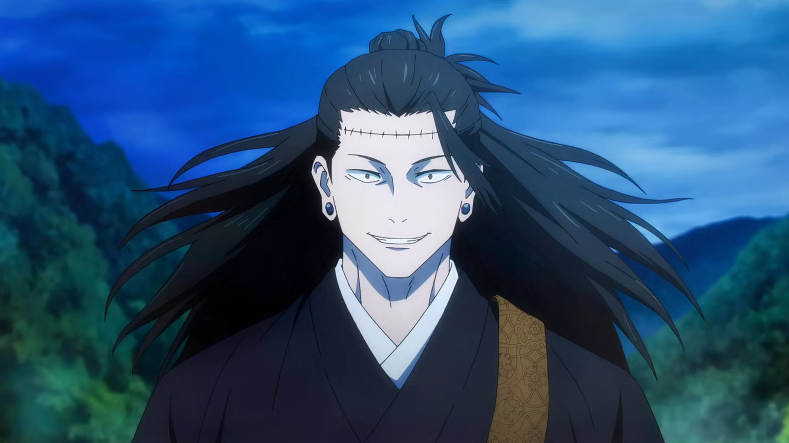
GET A JOB. STAY AWAY FROM HER.
How does Sukuna come into this? The Heian Era, through Kenjaku’s allusions, sounds like a time of chaos, where all the most notorious, legendary sorcerers and cursed users reigned supreme – including the “king of curses” himself. At the end of Shibuya, Kenjaku anticipates the return of that era, and in his Culling Game, he’s brought back dozens of sorcerers from that period, known to both he and Sukuna. When I read Shibuya for the first time, I was instantly curious about the Heian Era, about those sorcerers that would play key roles in the Culling Game, to find out why that era gave birth to so many monsters. I was excited for the incoming lore drop, the reveals and the worldbuilding.
There’s a lot of potential raised from Shibuya, and its impact on the rest of the story is clear. Our heroes’ loss at Shibuya leads to the ruin of everything else. When Shibuya ended, I wasn’t expecting a culling game and it seemed to be a strange direction after so much insanity, but I considered it would incorporate many mini-arcs (at least, more than what we currently have), possibly explain and reveal more of the jujutsu world so that the deaths, the many new characters, and their backstories, would be more meaningful. But we get none of that.
Initially, I thought we’d get a Gojo retrieval arc, where we’d see more of his family and end up dismantling the three family system – because I couldn’t imagine the clan would just sit silently while their golden child is locked away. Even if he’s nothing more than a tool to them, his very existence gives them enough prestige that it’s within their best interest to get him back before the Kamo and Zenin clans try to over assert dominance. During this time, we’d still get Maki’s great massacre, and the fleshing out of Noritoshi’s story – because he, like Maki, is a victim of his clan. With Gojo finally freed after this arc, I thought the story would conceptualise Kenjaku, Sukuna, and the other 1000-year-olds that we’d later see in the Culling Game. Some flashback arc, like Bleach’s 110 Years Ago, would help us understand the importance of the Heian Era and the debuts of all these legendary sorcerers. This would mean that, when the Culling Game begins, the reveal of such sorcerers like Angel, Yorozu, and Kashimo, would have more of an impact because we know exactly how powerful they are.
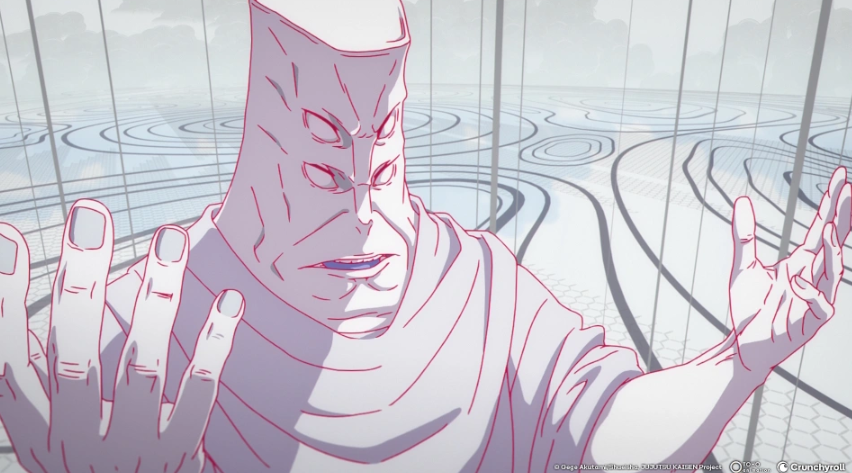
Tengen baa-san, who’s capture by Kenjaku is never properly addressed by the other characters.
I assumed we’d get more information about the America issue and the other foreign dignitaries to which cursed energy was revealed and utilised. Perhaps this sequence would’ve led to a full reveal of the higher ups (or what remains of them). Once they’re all out the way, the story could continue onto Gojo vs Sukuna and the fallout from whatever happens there.
Obviously, the above is not the story that Gege wanted to tell. I’m not saying that my headcanon is better than the author and originator of the manga, but I was disappointed that all these concepts are introduced to the story and repeated enough times to suggest they’d be returned to at some point, and they turn out to not mean anything at all. They’re literally just ideas that the characters discuss among themselves, but the reader doesn’t get to know much more of them outside of building their own analyses from author notes, interviews, light novels, and character profiles, and I just think that’s a tragedy.
Jujutsu Kaisen is a very interior story. The world doesn’t mean much, which means the story itself can feel both deep and shallow. Geto’s downfall, and Megumi’s breakdown after Tsumiki’s demise, and Nanami’s general demeanour about jujutsu society, are examples of Gege’s mastery of interiority. These are character studies, poster children for “show, don’t tell”. Geto’s slow mental decline in the wake of Riko’s murder reflects his realisation of the horrors of jujutsu society. Megumi’s despair is all the more potent because despite being in the middle of a death game that could destroy the world, he was solely motivated by Tsumiki’s survival. We don’t know much about her, but we know how much she means to Megumi, and it’s heartbreaking that she dies despite everything Megumi did to keep her safe. Likewise, Nanami’s apparent despondency reveals his burden of caring too deeply. His happy-go-lucky childhood friend suffered a horrific death before he’d even reached his prime, and Nanami wonders if there’s any point to anything. I love this aspect of the manga.
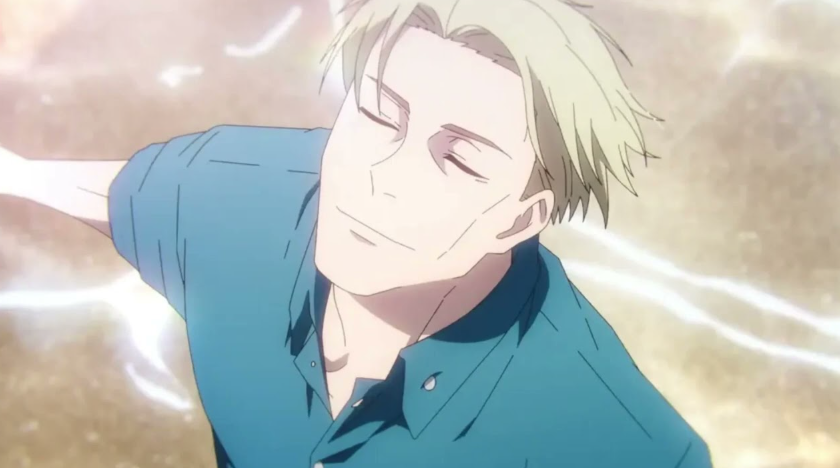
Tears every time. This is the only instance that Nanami looked truly at peace, and he was just on the verge of death.
But these character studies can’t make up for shallow worldbuilding. It’s easy to think: why does any of this matter? The country was thrown into the Culling Game and none of the higher ups intervened. Tengen was taken and the world continued. The Zenin clan was destroyed by Maki and it had little impact on the rest of jujutsu society. Gojo was sealed and there was no major uprising from all the sorcerers he'd protected over the years. Gojo is freed at the end of the Culling Game to enter a new world in which more of his friends and confidants no longer exist, and we get a dry reaction from him. Everything just continues. The higher ups have nothing to say about his return. Neither does his family. It’s like he gave birth to himself, because the Gojo clan never enters the story. During his fight with Sukuna, faceless spectators tune into watch the battle while placing bets. Who are all these people, and what do they think about the result? I just feel like some basic storytelling concepts are being missed here somewhere.
I think Culling Game is fine. Just like Shibuya, its weaker parts are compensated by the glorious fight sequences and the major, blood-curdling reveals, but I’m not surprised to see the confusion from anime onlies who don’t understand why the game is happening, and why Kenjaku has such power to do it, and why he’d been able to prepare all these vows and objects without anyone doing anything to stop him during those 1000 years. Tengen and the unseen conspirators from headquarters couldn’t have been the only ones to know about Kenjaku, so the questions about his ability to create the games with no resistance are valid. And if they are the only ones who know – why and how is that possible? Even if it’s something as simple as “no one else in jujutsu society cares enough about that stuff to investigate it”, then it’s worth mentioning rather than leave to interpretation another detail that seems small at a glance, but when combined with other unanswered questions, looks like a forgotten thread.
Eventually, Kenjaku reveals to Noritoshi Kamo that he’s been colluding with some members from “headquarters”, so at least one question about their fixation on Gojo and friends is answered – but that second-hand information is all we get. We never experience the corruption in real time. In the next arc, Shinjuku Showdown, we get our one and only glimpse of headquarters, as it’s a pile of corpses of whose faces we never see. The higher ups that caused so many problems for our cast are dealt with off-page. I would’ve loved to see it all unfold.
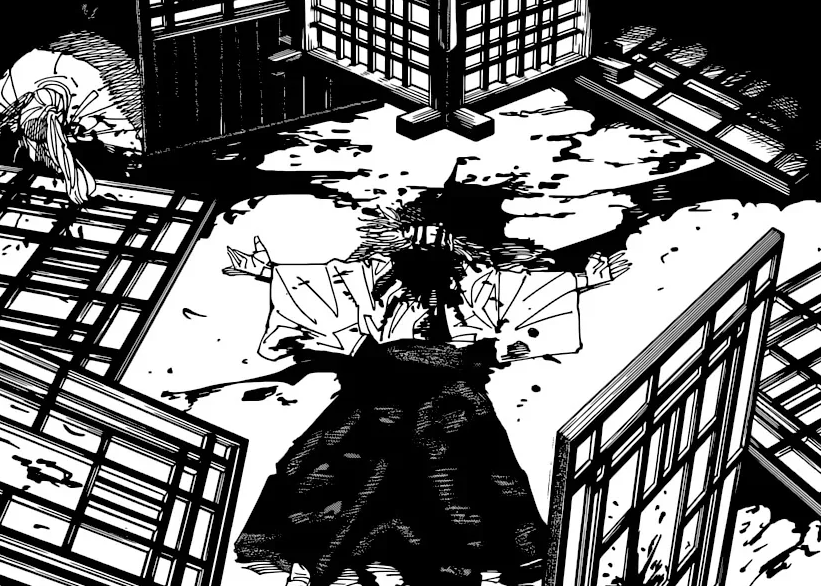
There’s discussion about who killed the higher ups, but consensus suggests this was done by Yuta and Inumaki. Considering Inumaki’s lack of page time I’d have loved to see how this all went.
Based on the comments I’ve seen online, anime watchers expected the story to respond to the horrors of that ill-fated Hallowe’en night in Shibuya. After all, in Culling Game, the issue of Yuji’s execution is immediately diffused, but Shibuya ended very ominously, as if suggesting that Yuji would have to keep fending off assassination attempts throughout the following arc until Gojo returns to the story to put a stop to everything. The game seems like a distraction from the more pressing matters at hand.
The confusion from new fans and anime only watchers is notable to me, because when you’re a manga reader you’ve likely read and re-read the story several times. You’ve been in a bubble of theory-crafting and story discourse, which means you develop an overfamiliarity with the text and can’t always see its faults. For example, after Yuji’s parents are revealed, in a brief 1-minute clip in episode 2 of Culling Game, several anime reactors responded “I can’t wait to know more about that!” and I feel so bad for them because that’s all there is to it. I’d forgotten how brief that moment was, because for the past five years I’ve seen a multitude of memes about Kenjaku “taking backshots for the masterplan”, which made me misremember the events as being much longer and more thoroughly explained. But no – there are no more flashbacks of Yuji’s family in the manga. We don’t even see Yuji and Kenjaku discuss it together. Such a huge reveal, and it leads to nothing.
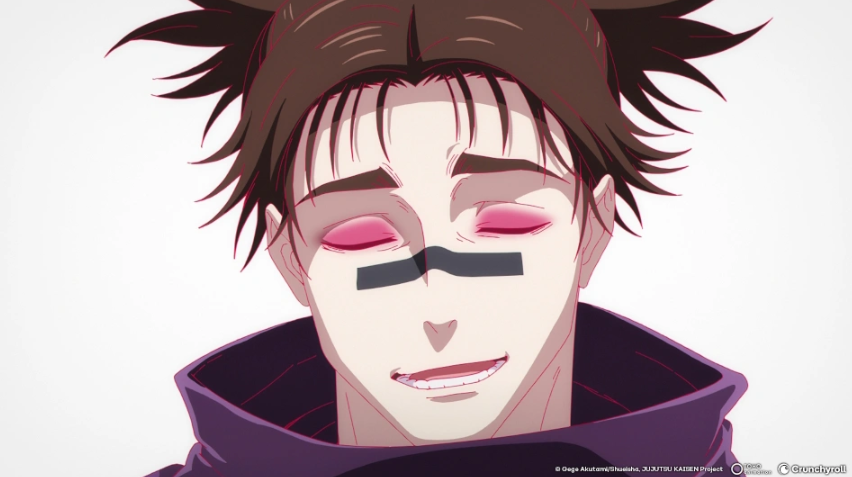
Best bro Choso. His journey throughout Culling Games and Shinjuku showdown adds so much depth to the story.
These aspects of JJK are often hotly debated online, so I don’t think I’m saying anything new, other than that my own feelings were rekindled after seeing the return of Season 3. The season’s started off with a bang, as expected, but I have to remind myself that for me, the story goes downhill from this point onwards. Many people love the Culling Game and they think it’s better than all the arcs that have come before, and I love that for them, but sadly I can’t enjoy the arc as much as I’d like to knowing that that’s all there is to it, that there’ll be no Gojo’s Past-style storytelling, that we won’t get to see more of the world and the structure. Don’t expect something along the lines of One Piece, Ajin, and Attack on Titan, where the corrupt higher ups are fully revealed and actively challenged and we can put faces to names. Besides Maki, Panda, Choso, Megumi, and Yuji, the characters of JJK are all orphaned from their own origins, and the society is disconnected from its rulers, despite said rulers having unparalleled and unchallenged control of it.
I’ve recently started the spin off sequel, Modulo, and so far there’s already more understanding of Japan in a world that now knows about jujutsu. I think the world building is richer and it’s started pretty strong, even expanding on some of the themes that didn’t make it into the original story. Hopefully it continues in this manner, as I really like Gege’s ideas and how jujutsu sorcery works. It makes me more keen to immerse myself in the world he’s created – if only he would reveal more of it to us.